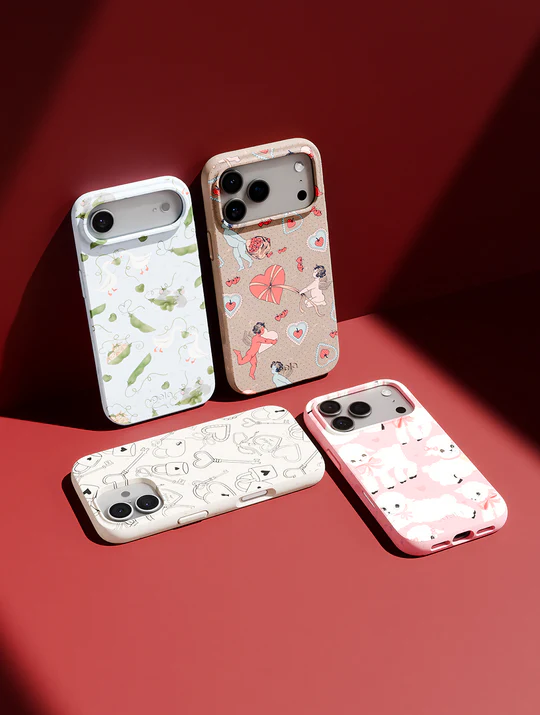
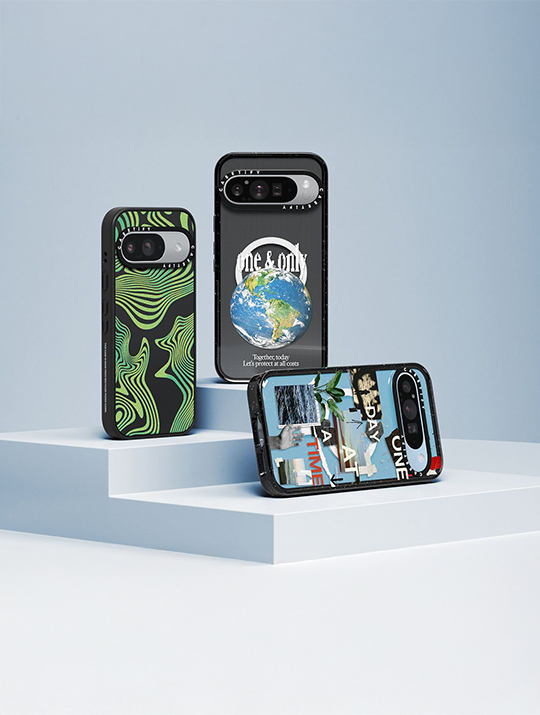
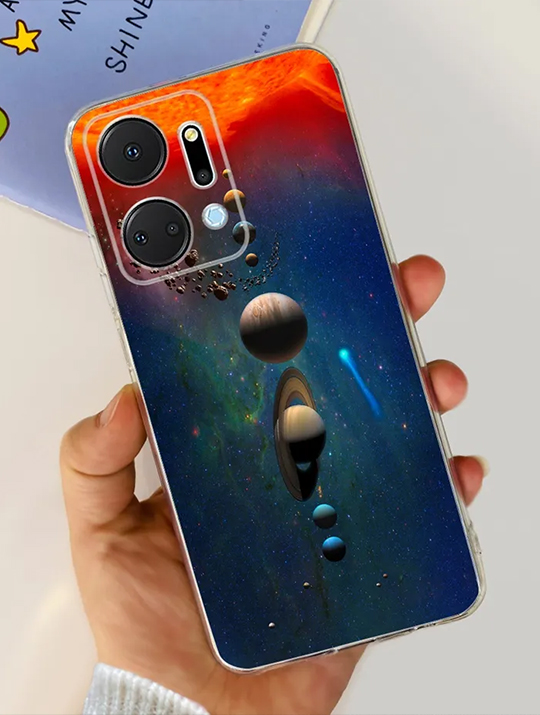
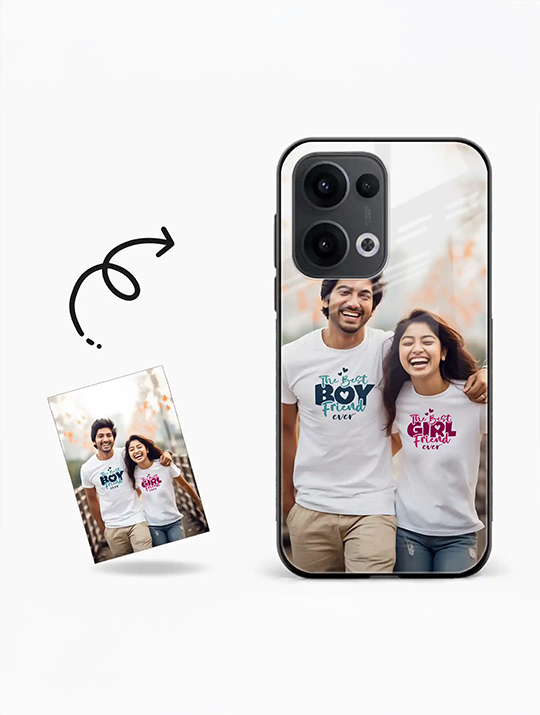
You finally decided to get a custom phone case. Smart move. Whether it is a gift for someone special or a little something for yourself, a custom case with the right photo hits differently than anything you will find sitting on a shelf.
But here is where most people stumble: they grab the first photo they like, upload it, place the order, and then stare at the finished product, wondering why it looks nothing like what they imagined.
The photo choice is everything. Get it right, and you have something genuinely beautiful in your hands every single day. Get it wrong, and you have a daily reminder of a mistake you cannot undo.
This guide will make sure you get it right while selecting a photo for a personalized photo case UAE.
What Kind of Photo Actually Works on a Custom Phone Case
Let us start with the honest truth: not every photo that looks great on your phone screen will look great printed on a case. Your phone display is backlit, high-resolution, and essentially designed to flatter every image on it. A physical print does not have that luxury.
The photos that consistently deliver stunning results share a few things in common. For templates and new designs, check this: https://kiosky.me/customizing-with-our-templates/
Clean, uncluttered compositions are your best friend. One clear subject, a face, a skyline, a landscape, a graphic design with enough breathing room around it. The moment an image tries to tell too many stories at once, it falls apart at the phone-case scale.
Portraits with a simple background work exceptionally well. A face or a figure against a plain wall, an open sky, or a blurred background will print with real impact. The subject stays recognizable, the case looks intentional, and it holds up every time you glance at it.
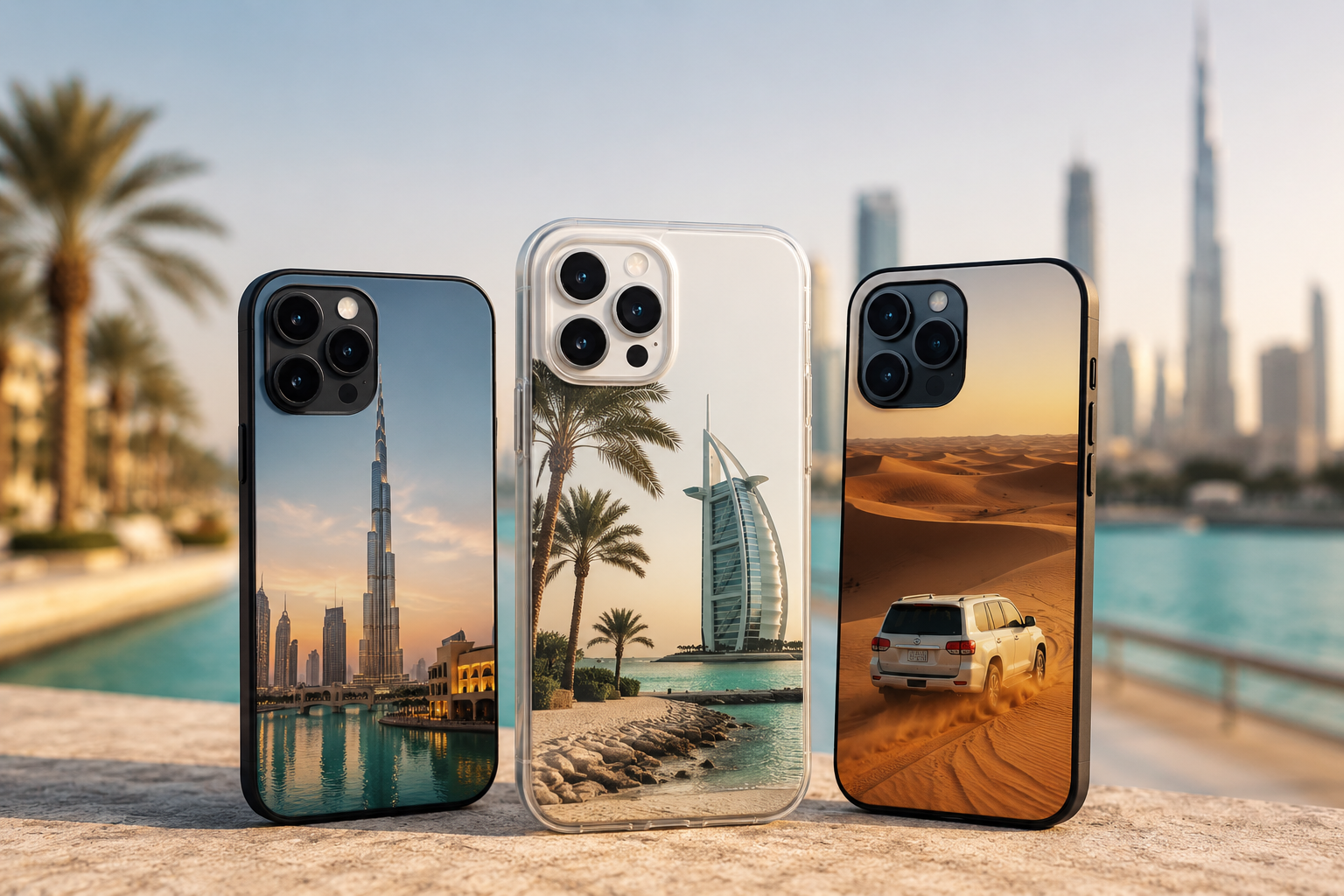
Landscapes and cityscapes are among the most reliable choices. Wide, sweeping shots of a desert horizon, a city skyline at night, and a coastal view fill the case beautifully and tend to look even more dramatic in print than they do on screen.
Bold graphic and artistic images, geometric patterns, calligraphy, illustrations, and high-contrast abstract art are technically ideal for case printing because they have defined edges and strong color contrasts, and they do not rely on subtle detail to communicate. They print cleanly every single time.
What tends to disappoint: large group photos where every face is tiny, images saved from Instagram or WhatsApp (more on this in a moment), photos taken in poor lighting, and anything with so many elements competing for attention that the eye does not know where to land.
Resolution and Lighting for a Personalized Photo Cover
You can have the most beautiful photo in the world and still end up with a blurry, flat phone case if the resolution of the image used is not right.
Here is the number to remember: 300 DPI. That stands for dots per inch, and it is the standard at which images print clearly onto a phone case surface. Below that, you start to see softness. Below 150, you start to see pixels. Below 72, which is what most screenshots are, you will likely be disappointed with the result.
The good news is that most photos taken directly on a modern smartphone easily meet or exceed this threshold. The bad news is that there are several very common ways people accidentally reduce their photo quality before they even get to the upload stage.
WhatsApp is the biggest culprit. When you send a photo through WhatsApp, the app compresses it automatically. The photo looks fine on a screen. It is not fine for printing. Always go back to your camera roll and use the original, untouched file. Never use a photo that has been forwarded, re-saved, or downloaded from any chat.
Instagram is even worse. Instagram compresses images heavily when they are uploaded to the platform. Downloading your own Instagram post and trying to print it is one of the most reliable ways to end up with a soft, disappointing result.
Screenshots are a hard no. A screenshot of a photo is not a photo. It is a low-resolution image of a photo, and it will print accordingly.
Beyond resolution, lighting shapes everything. The single best light source for a photo that will eventually be printed is natural daylight, specifically the soft and directional light you get in the morning or late afternoon. Harsh midday sun creates shadows and blown-out highlights that print poorly. Indoor yellow lighting shifts skin tones and colors in ways that look fine on a warm-toned screen and look muddy on print. For a custom gift or a gift to yourself, create something attractive that is memorable as well as forces people to gaze at your phone cover.
Cultural Considerations That Matter in the UAE
This is the part of the guide that most generic phone case blogs skip entirely, but in the UAE it is genuinely important and worth taking seriously.
A phone case is not a private item. It lives in the world on café tables, in meeting rooms, on public transport, and in the hands of colleagues and family members. Choosing what appears on it is not just a personal creative decision. It sits within a social and cultural context that deserves some thought.
Always ask before using someone else’s photo. This sounds obvious, but it is regularly skipped. If someone else’s face is going on a case you will carry publicly, they should know about it and they should be comfortable with it. This is especially true when gifting a case featuring someone’s photo, as a surprise sounds romantic in theory and can be awkward in practice if they have reservations about that particular image being displayed.
Be thoughtful about photographs of women. In many households across the UAE, a woman’s unveiled photograph is considered private. It may have been taken in a home setting, in a moment of comfort and trust, and placing it on an object carried publicly without an explicit conversation about it is something worth pausing over. When in doubt, choose a place, a moment, or an abstract design that carries meaning without the same sensitivity.
Think carefully before putting a child’s face on a case. The instinct comes entirely from love, and there is nothing wrong with it. But a phone case featuring a child’s face is seen by every person you encounter throughout your day. Many parents in the UAE have quietly moved away from this for privacy reasons. A child’s hands. A favorite toy. A place they love. These carry just as much meaning without the same exposure.
Avoid placing Quranic verses or sacred text on a phone case. The intention behind it may be entirely sincere, but a phone case ends up in pockets, on bathroom shelves, and dropped on floors. A significant number of scholars and community members in the UAE consider this setting unsuitable for sacred texts. There are better ways to carry those words close.
Mistakes to Avoid While Customizing a Photo Cover
These are the errors that do not appear in the instructions and only reveal themselves when the case arrives.
Not checking where the camera cutout falls. Every case has a hole for the rear cameras, and on newer phone models, that hole is large. If your main subject, especially a face, sits right where that cutout is, part of them will simply be missing from the finished product. Always preview your image within the case template before you confirm.
Not filling the entire print area. Many customers place a photo inside the template without fully covering the edges. A phone case is printed edge-to-edge, which means any empty space will appear as white on the final product. Always make sure your image fully covers the entire print area, even if it means zooming in slightly. This ensures a clean, professional, full-coverage finish.
Forgetting that case proportions are not photo proportions. A phone case is taller and narrower than a standard photograph. Something will always be cropped. Decide in advance what you can afford to lose from the edges rather than discovering it after the case arrives.
Over-editing before uploading. Heavy filters, dramatic HDR effects, and AI-enhancement tools look extraordinary on a backlit screen and often print flat, oversaturated, or artificial. A light touch on editing, a small contrast boost, and a gentle brightness adjustment are almost always the better call for print.
Choosing a dark image without thinking about the finish. Dark images on glossy cases show fingerprints, dust, and surface scratches almost immediately. If you love a dark, moody photo, ask specifically for a matte finish. It holds up dramatically better over time.
Trusting the on-screen preview as a final guarantee. Online design tools give you a close approximation, not an exact replica. Colors can shift between screen and print. If color accuracy matters to you, ask your printer about how they handle color profiles, or request a proof before the full order.
Typos in text overlays. If you are adding a name, a date, or a quote to the design, read it three times before submitting. Then read it once more. Printing shops, including ours, cannot refund orders where the error came from the customer’s submitted file.
FAQs
My photo looks sharp on my phone but is printed blurry. What went wrong?
This is the most common complaint in custom case printing, and it almost always comes down to how the photo was shared before it was uploaded. If the image came from WhatsApp or Instagram or was saved as a screenshot at any point in its journey, it has been compressed and has lost print quality. Go back to the original camera file, the one sitting unedited in your camera roll, and re-upload that for that special personalized gift.
Can I use a photo I found online?
Technically you can upload almost anything, but there are two reasons to be careful. First, images found online are usually low resolution and compressed for web display; they are designed to load quickly on a screen, not to print cleanly. Second, most images online are someone’s copyrighted work. Using them commercially or even personally on a product without permission is something worth being aware of. If you want a graphic or artistic design on your case, look for high-resolution images on licensed platforms, or commission something original.
What is the single most important thing I can do to guarantee a good result?
Use the original, uncompressed file from your camera roll, and preview it carefully within the case template before you confirm the order. Those two steps alone eliminate the vast majority of disappointing outcomes. Everything else in this guide is an upgrade on top of that foundation — but those two steps are non-negotiable.
A custom case UAE is a small thing that you interact with more than almost any other object in your life. It is worth five extra minutes of thought before you order. The right photo, chosen carefully, will make you glad you took the time every single time you pick up your phone.